










































A Guide To Slotted Vs. Unslotted Basin Wastes
If you’re shopping around for a replacement basin waste, you’ve probably come across the terms ‘slotted’ and ‘unslotted’. But what do these even mean?
A basin waste is a small fixture, but choosing the wrong one could actually result in a leaky sink, so it’s worth doing your research and getting the decision right. Here's what the terms mean, how to tell which one your basin needs, and a few other waste types you might come across along the way.
What Is A Basin Waste?
A basin waste is the fitting that sits in the plughole of your sink. It basically connects the sink to the wastepipe so that the water can drain away without leaking into your bathroom/kitchen. The basin waste usually includes a plug so that you have the option to keep the water in the sink when you need it, and a flange that seals against the basin bowl to stop the water leaking out.
Every sink needs a waste, it just depends on whether you need a slotted or an unslotted one. But what on earth is the difference? Let’s get into it together.
What Is A Slotted Basin Waste?
A slotted basin waste has a cut-out, or a ‘slot’, on the side of it, like this:

When installed, this opening lines up with the overflow channel in the basin so that excess water can drain away, even if the plug is in and the tap has been left running.
It can be used in any sink that has a built-in overflow hole. When looking for a slotted basin waste, check for the cut-out or opening near the top of the waste body, just below the flange.
What Is An Unslotted Basin Waste?
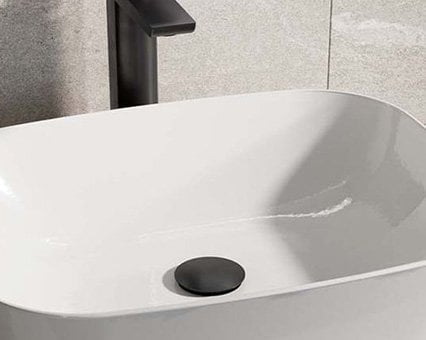
An unslotted basin waste doesn’t have the cut-out like the one pictured above. It is designed differently so it creates a fully watertight seal, meaning the water can only leave the sink via the plughole.
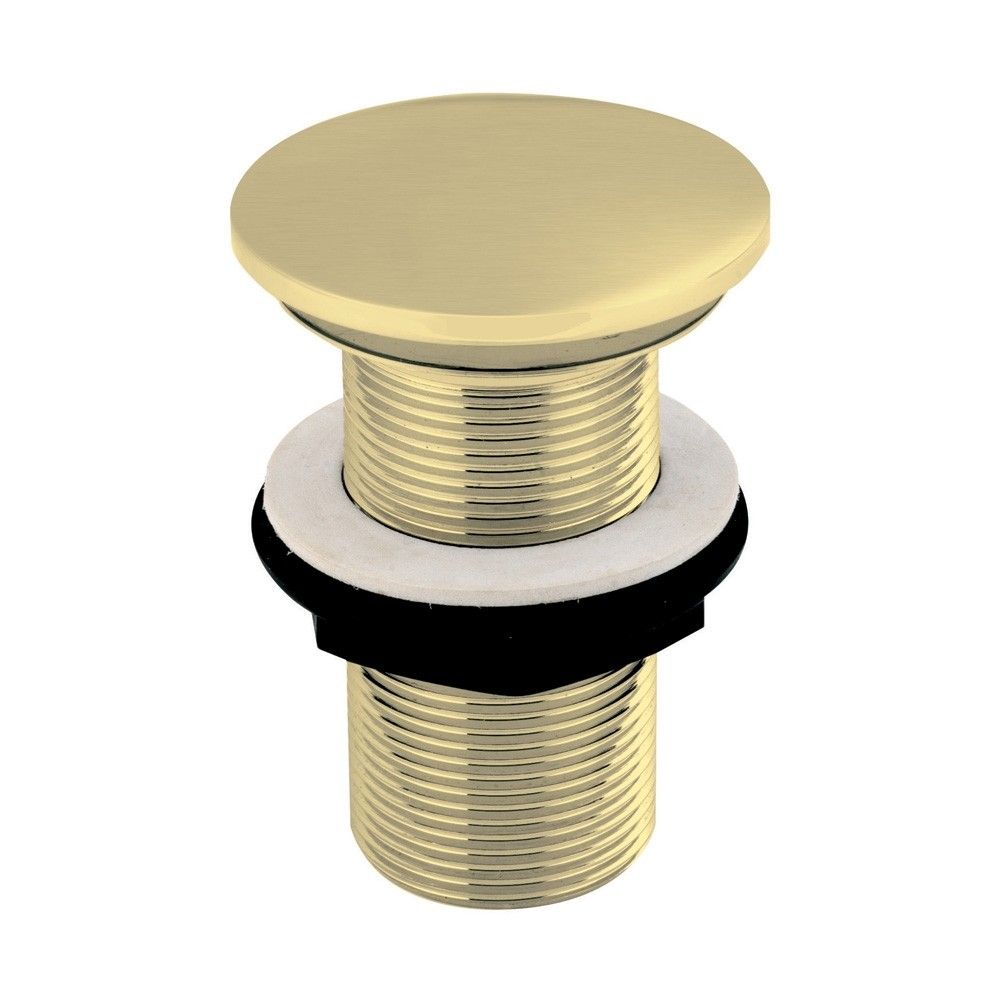
This type of basin waste is used on sinks that have no overflow hole, including countertop or vessel basins, as well as some designer styles.
How To Tell If Your Basin Needs A Slotted Or Unslotted Waste
The waste has to match the basin, and not the other way around, so your first job is to check your basin for an overflow hole. It will be quite obvious, although some kitchen sinks may have them hidden underneath the rim of the worktop where it meets the sink, so do check under here.
If there’s an overflow hole, you need a slotted waste. If there’s no overflow, you need an unslotted waste.
If you’re replacing an existing waste, it’s worth checking the old one so you can do a like-for-like swap.
What Are The Key Differences Between Slotted and Unslotted?
|
Slotted Waste |
Unslotted Waste |
|
|
Basin Type |
With an overflow |
Without an overflow |
|
Water Seal |
Not fully watertight (by design) |
Fully watertight |
|
Common On… |
Standard pedestal and inset basins |
Countertop and vessel basins |
|
Risks (if fitted incorrectly) |
The overflow won’t drain and water can spill over |
The waste water can leak through an unused overflow channel |
What Are The Other Basin Waste Types To Know?
The types of basin waste below describe how the plug is operated/pushed in and pulled out. All of these will come as either slotted or unslotted, so choosing one is ultimately down to preference.
You push the top to close and push it again to open, so there’s no plug hole on a chain. It’s a great one for everyday use, particularly in bathtubs.
These are operated via a small lever behind the tap. You usually push the lever to release the plug. They’re neat and traditional looking, though there’s a bit more involved to install them. It saves you having to dig around in the dirty-dishes water to find the plughole.
It’s the classic option, a rubber plug that’s attached to the basin with a chain so you don’t lose it. They’re simple, inexpensive and easy to replace.
FAQs
What happens if I fit the wrong type of basin waste?
If you fit an unslotted waste to a basin with an overflow, you are essentially blocking the overflow channel, so water can't escape if the basin fills up.
If you fit a slotted waste to a basin with no overflow, the water can seep out through the exposed slot, causing leaks under the basin.
Either way could result in a leak.
Do all basins have an overflow?
Most standard basins do, but many countertop, vessel and some designer basins are made without one, relying on the user not to overfill them. Always check your specific basin rather than assuming.
How do I measure basin waste size?
Most basin wastes in the UK come in a standard 1¼" (32mm) size, which fits the vast majority of basins. If you're unsure, measure the diameter of the plughole itself, or check the size of your existing waste before ordering a replacement. For a full breakdown of fittings and finishes, see our basin waste buying guide.
Read more from us
May 21st 2015 | 4 min read | By Owen