





Steel Vs. Acrylic Baths: What's The Difference And Which Should You Choose?
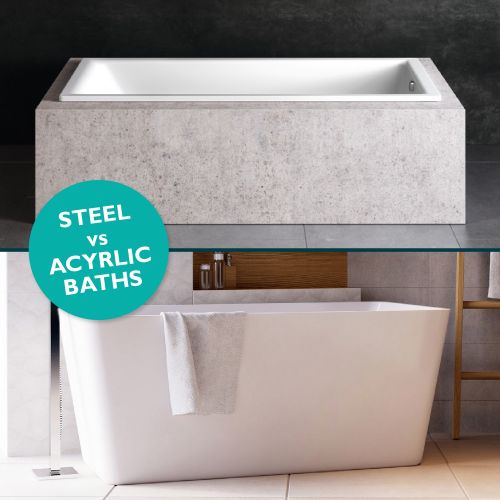
The right choice will depend on your budget, your household and how you actually use your bath (quick evening soak or long, lazy Sunday unwind?).
What Is A Steel Bath?
A steel bath is exceptionally tough and durable because of the way it’s manufactured and the material it’s made from. Iron, coal and limestone are melted down and mixed in a blast furnace before then being refined in an oxygen furnace to reduce the mixture’s carbon content. What results is molten steel that can be cast into large sheets.
It’s these sheets that can be turned into bathtubs, using around 1,200 tonnes of pressure to shape them into a specific thickness and size. The final tub is cleaned, coated in enamel and fired at high temperatures to make it extra durable.

What Is An Acrylic Bath?
Acrylic baths are made from a polymer, a type of synthetic plastic, that is shatter resistant, cheap to produce and can be dyed any colour. This is why acrylic baths are so popular and so reasonably priced.
To make an acrylic bath, a sheet of acrylic is heated to around 200 degrees and then placed over an aluminium mould. A vacuum is used to force the acrylic onto the mould, where it’s then cooled and allowed to harden. A fibreglass resin is applied to help strengthen the material.
For many people, acrylic is seen as a cheap and low-quality choice, but nowadays, the resin that’s applied makes them very durable, and available in a range of designs, including a freestanding clawfoot bathtub.

A Quick Summary of Steel Vs. Acrylic Baths
Acrylic | Steel | |
Hard wearing? | ✔️ | ✔️✔️ |
Prone to discolouration? | ✔️ | ❌ |
Environmentally friendly? | ❌ | ✔️ |
Cost | £ | ££ |
Heat retention | ✔️ | ✔️✔️ |
Weight | Light | Heavy |
What Are The Pros Of Steel Baths?
They’re Very Hard Wearing
Steel baths are very difficult to chip or crack because of how they’re manufactured. The extra enamel that is added and the final firing process makes them very strong. Even if damage did occur, the entire bath can be sanded down and the enamel reapplied (at a cost, but it saves replacing the entire bath).
Steel isn’t affected by cleaning chemicals, as other bath materials can be, so you’ll love the look of your steel bath for years to come.
They Won’t Fade Or Lose Their Colour
The enamel coating that’s applied to steel baths once they’re made is incredibly resilient. This means the colour you choose is the colour you’ll keep and it won’t fade over time, even in bright bathrooms with lots of direct sunlight.
They’re More Hygienic
The composition of steel (completely smooth and non-porous) makes it more hygienic than acrylic baths. It doesn’t harbour bacteria and germs can’t survive on the enamel coating.
A steel bath is also highly scratch resistant as well, so there are fewer tiny crevices where dirt and bacteria can build up.
They Can Be Painted
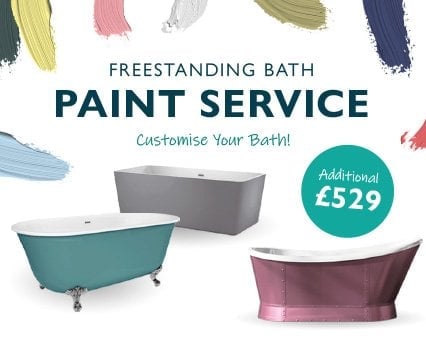
The exterior of a steel bath can be painted fairly easily, which is ideal if you’re the kind of person who fancies a change every now and then. It’s a simple way to refresh your bathroom without replacing the whole suite.
They’re More Environmentally Friendly
Steel baths don’t go through quite as intensive a manufacturing process as some alternatives. This can make them a more environmentally conscious option. They’re also 100% recyclable, unlike acrylic baths.
They Retain Heat Well
In terms of heat retention, stone, cast iron and copper sit at the top, followed by steel, and then acrylic. This can mean less topping up with hot water as your bath cools, potentially saving on water and energy.
They’re Available In Different Thicknesses
Steel baths come in different thicknesses, usually 1.6mm or 3.5mm. The thicker the steel, the heavier and more robust the bath will be, but it also improves heat retention, making it a worthwhile upgrade if long, hot soaks are your thing.
What Are The Cons Of Steel Baths?
They’re Cold To The Touch
Steel feels cold to the touch and might still feel a little chilly even when it has hot water in it, as the material takes time to warm up. Once it has warmed up, it retains heat very well, but some people don’t like the initial feeling of the cold metal.
They’re More Expensive
Steel baths usually cost more than acrylic because of the manufacturing process and the materials involved. However, as they’re also more durable and have a longer lifespan than plastic baths, you could save money in the long run.
They May Need Earthing
Steel is a conductor of electricity so your new steel bathtub may need to be earthed during installation. It’s not complicated or a difficult job, but it is something extra to consider when having one fitted.
They’re Heavier And Harder To Install
Steel baths are significantly heavier than acrylic ones, which is something to think about when it comes to installation and getting them inside the bathroom. You should measure any tight spaces, such as corners or staircases, to check the bath can be manoeuvred around these.
In some properties, particularly older homes, the floor may even need reinforcing to safely support the extra weight.
What Are The Pros Of Acrylic Baths?
They’re More Affordable
Acrylic baths are generally cheaper to buy because they’re easier to manufacture and mass produce.
They’re Durable Enough For Family Life
While not quite as tough as steel, acrylic baths are still durable and well suited to busy households. There are also reinforced versions available, with additional resin layers that significantly improve strength and rigidity.
They Come In More Designs
Acrylic is easier to mould into different shapes which means there’s a wider range of sizes, styles and designs available. If you’re after something a little unusual or space-saving, you’ll often find more options in acrylic.
They’re Warmer To The Touch
Unlike steel, acrylic doesn’t feel cold when you first sit in it. It warms up quickly and feels more comfortable straight away. It also retains heat reasonably well, making it perfectly suitable for long baths.
They’re Easy To Clean
Acrylic has a smooth, non-porous surface that stops dirt and soap residue from clinging to it. This means it’s easy to wipe down and keep clean.
What Are The Cons Of Acrylic Baths?
They’re Not As Durable As Steel Or Stone
Acrylic baths are more prone to scratching or cracking if something heavy is dropped in them, like a shower head or even a shampoo bottle.
They can also flex slightly due to the nature of the material (even when installed correctly), and this flexibility can increase the risk of damage over time. It’s not that common, but it’s something to bear in mind.
They Can Become Discoloured
Acrylic reacts to UV light, which means it can gradually yellow or fade. Certain cleaning chemicals can also cause discolouration if used repeatedly.
They Aren’t Recyclable
Acrylic is a type of plastic and isn’t recyclable in the same way steel is. Once it reaches the end of its lifespan, it can’t simply be melted down and reused. Because it doesn’t naturally break down either, it’s not the most eco-friendly material choice.
Steel Vs Acrylic: Which Is Right For You?
Choosing between steel and acrylic is about what matters most to you, be it budget, durability, warmth or longevity.
An acrylic bath is the perfect choice if:
You’re renovating on a tighter budget
You need plenty of space and size options for awkward or smaller spaces
You want something lightweight and easy to install.
It’s warmer to the touch, comfortable straight away, and perfectly durable for most family homes. For busy households with children (and the occasional dropped shower head), a reinforced acrylic bath can be a practical middle ground.
A steel bath is the perfect choice if:
You want something really hardwearing
You don’t want your bath to fade or lose its colour
You’re want something recyclable or a bit more environmentally friendly
Cost is less of a priority for you.
It holds heat better than acrylic, won’t fade over time, and can even be re-enamelled rather than replaced if damaged. It’s particularly well suited to design-led bathrooms where longevity and finish really matter.
Read more from us
May 21st 2015 | 4 min read | By Owen