









What Is A Mixer Shower And How Does It Compare To Other Showers?
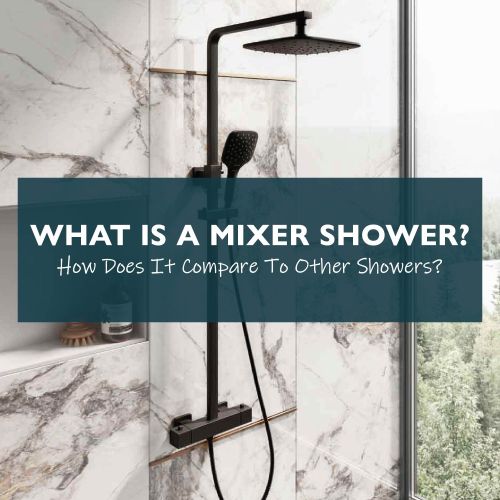
We know that designing a new bathroom can feel overwhelming. When it comes to the showers alone, there is so much choice, never mind the baths, toilets and taps.
A mixer shower is one of the most popular types of shower, not least because it offers reliable performance and consistent temperatures. It’s excellent value for money and can be really easy to install.
So if you’re in the throes of deciding what kind of shower to go for, hopefully our guide to mixer showers will give you all the information you need to finalise that decision. We'll walk you through everything you need to know about mixer showers, including their benefits and drawbacks, and how they compare to other types of showers.
What Is A Mixer Shower?
As the name describes, a mixer shower literally mixes hot and cold water to create a set, stable temperature while you shower. No more flipping between scalding hot and freezing cold (unless someone flushes the toilet, which we’ll come onto later). These are sometimes referred to as bar valve showers.Unlike an electric shower, which heats the water via electricity, a mixer shower uses the water already heated by your boiler system.
What Are The Types of Mixer Showers?
If you’re looking at purchasing a mixer shower, you’ll notice two main types on the market:
- Exposed mixer showers
- Built-in mixer showers
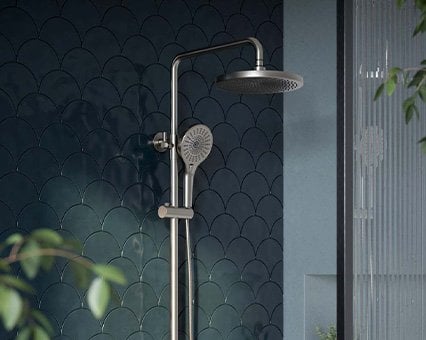
An exposed mixer shower has the shower control and associated valves mounted on the wall or the shower bar. Essentially, all the parts of the shower (including the hose and the controls) are fixed to your shower wall.
In a built-in or concealed shower system, you can generally only see the controls and the showerhead. The rest is hidden behind the tiles.
You may also notice the term ‘thermostatic’. A thermostatic shower is a type of mixer that has a special valve that instantly adjusts to a change in temperature. This prevents those surprising blasts of hot or cold water when someone turns on a tap or flushes the toilet.

What Are The Benefits of Mixer Showers?
There are plenty of benefits of a mixer shower, the main ones being:
- They are easy to install and operate
- They offer a consistent temperature
- They are compatible with all boilers, including regular, system and combi boilers
- They are compatible with mains and gravity-fed systems
- They can be combined with a pump if your water pressure is low (and pressure balancing is also available if your hot and cold water pressure is uneven)
- They offer a better pressure than electric showers
- There are tons of designs available, with a range of control systems, including digital
- They come in single, dual and triple outlets, ideal if you have multiple showerheads or jets.
What Are The Drawbacks of a Mixer Shower?
As with anything, there are drawbacks to a mixer shower too, including:
- They can change temperature when water is used elsewhere, such as someone flushing a toilet (unless it’s a thermostatic mixer)
- They require access to your home’s hot and cold water feeds, which isn’t possible in some homes, depending on where the access is
- You might need a pump if you have low water pressure
- They rely on your boiler to provide hot water, so if your boiler breaks down, you won’t be able to have a warm shower (but you would with an electric)
- They require some maintenance, especially as the internal valves that mix the hot and cold water can wear down over time.
Mixer Showers vs Other Shower Types
When shopping around for the right shower for your new bathroom, it’s important to consider all your options. Which is what we’ve done for you below. We’ve looked at other types of showers, including electric and power, to compare their performance to that of a mixer.
Electric Showers
Unlike a mixer shower, which uses hot water already heated by your boiler, an electric shower heats cold water using its own heating element. This makes it pretty energy efficient (only heating as much water as is required) and ideal for busy households that don’t want to run out of hot water mid shower.
Generally, they are cheap to install and only need a cold water feed and an electrical connection. However, do keep in mind that the pressure can be low with an electric shower.

Thermostatic Showers
A thermostatic shower is a type of mixer that contains a special valve that makes it better able to control the water temperature. Even when someone flushes a toilet or turns the washing machine on, your shower will stay at exactly the same set temperature, reducing those bursts of hot and cold.
Power Showers
A power shower uses a pump to boost the pressure of the water that comes out of the showerhead. Nowadays, these pumps are relatively small and they aren’t too loud (though they do make some noise). They’re best installed in an airing cupboard or near your home’s hot water tank/shower feed.
A power shower is ideal for any home with low water pressure, however they might not be for you if you have a combi boiler. Because they use a higher volume of water, you could see your energy bills rise as a result.
How To Choose The Right Mixer Shower
When choosing a mixer shower, there are a few things you’ll need to consider.
1. The type of system you have
First, check whether you have a gravity-fed system or one that uses mains pressure. Whichever one you have will slightly affect the available water pressure (and if you have low pressure below 0.2 bar, you should factor in a shower pump).
2. The type of boiler you have
While mixers work with all boiler types, it’s always worth confirming the compatibility with your existing system. If you have a combi boiler and limited hot water capacity, think about how many people will be showering and whether your boiler can keep up with demand during peak times.
3. Whether you want an exposed or built-in mixer
An exposed mixer is easier and cheaper to install, making it ideal if you're working with a tight budget or retrofitting an existing bathroom. A built-in system offers a more minimalist look and is worth considering if you're doing a complete bathroom renovation where you can access the pipework behind the walls.
4. Other outlets and features
Do you want a simple overhead showerhead, or would you prefer multiple outlets like a hand shower and body jets? Triple-outlet systems offer the most luxury but require adequate water pressure to run effectively.
5. Your budget
Mixer showers range from budget-friendly options to high-end luxury systems. Remember to factor in installation costs, and if needed, the cost of a pump or any plumbing modifications required to accommodate your chosen shower.
If your budget allows, consider a thermostatic mixer. The built-in temperature control prevents those sudden temperature shocks when water is used elsewhere in the house, making it particularly valuable in busy households or homes with children and elderly users.
6. Your existing bathroom style
Finally, match the style to your existing bathroom. Mixer showers come in all kinds of finishes, including chrome, brushed nickel, matt black and more, so you’re sure to find one that matches the existing design of your bathroom (or the new design if you’re doing a full revamp).
We hope you feel a bit happier about what a mixer shower is and why they’re so popular. You can browse our range online or pop into one of our many bathroom showrooms to see them in situ.
Remember, if you’re at all unsure about compatibility with your existing boiler system, it’s worth consulting a qualified plumber who can assess your home and recommend the best solution.
Read more from us
May 21st 2015 | 4 min read | By Owen